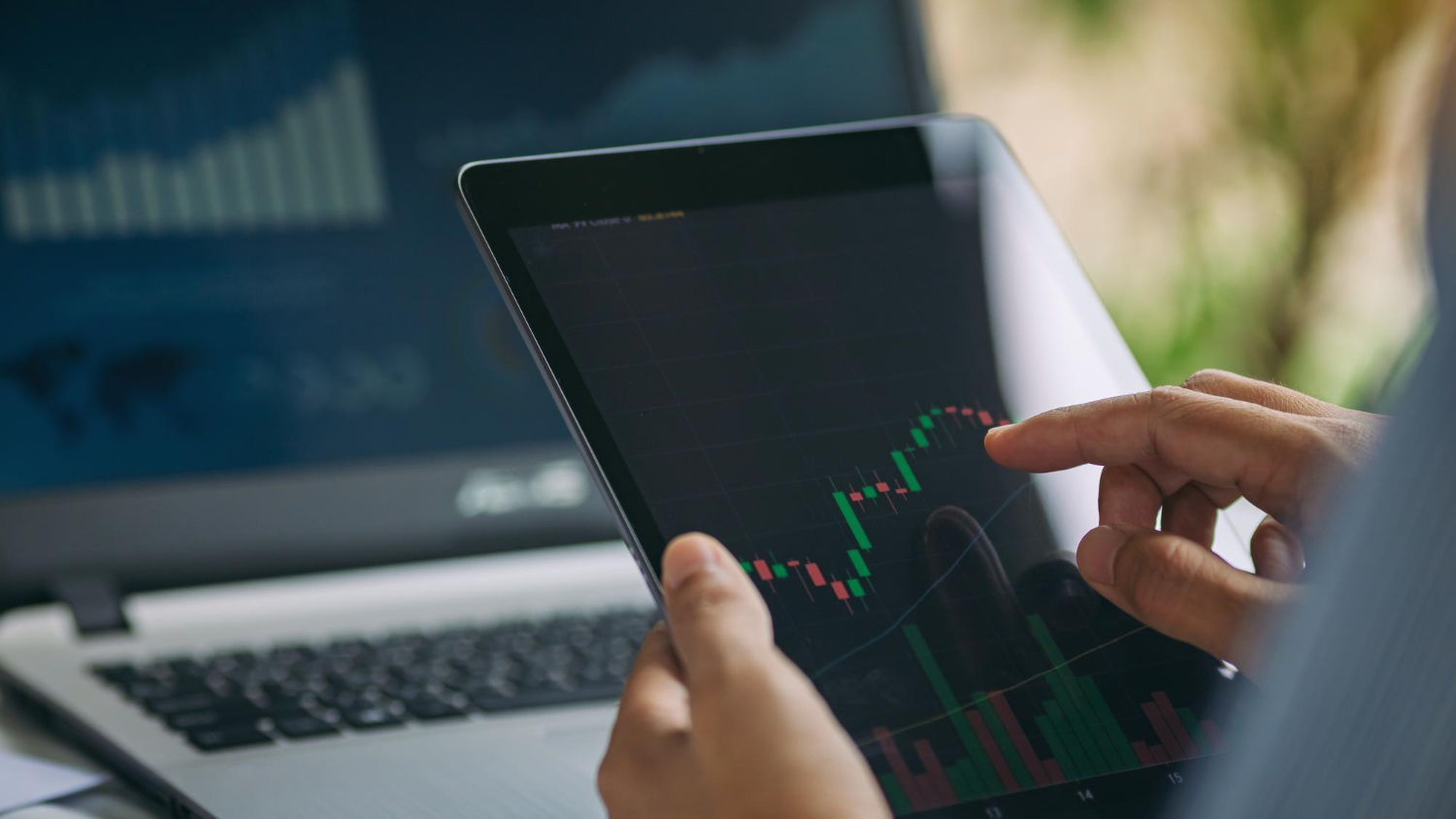

Navigating the Philippine tax landscape as an MT5 Web trader can mean the difference between seamless profits and costly penalties from the Bureau of Internal Revenue (BIR). With trading volumes surging, accurate reporting is non-negotiable. This guide demystifies the tax system, from classifying gains and leveraging MT5’s trade history for calculations to claiming deductions like broker fees, meeting BIR deadlines, and sidestepping common pitfalls-enabling you to trade confidently.
Overview of Philippine Tax System for Traders
The Philippine tax system, administered by the Bureau of Internal Revenue (BIR) pursuant to Republic Act No. 8424 (the National Internal Revenue Code), levies progressive income tax rates ranging from 0% to 35% on traders’ profits. Forex and stock trading activities are categorized as either ordinary income or capital gains, with the latter subject to a 15% tax rate on securities.
Key regulatory provisions include BIR Revenue Regulations No. 2-98, which detail the reporting obligations for traders.
The principal tax categories are delineated as follows: income tax is imposed progressively at rates up to 35% on Forex profits classified as ordinary income; capital gains tax applies at 15% to stock sales conducted through the Philippine Stock Exchange (PSE); and value-added tax (VAT) at 12% may be applicable if trading constitutes a business activity with gross receipts exceeding PHP 3 million.
According to the BIR’s 2023 Annual Report, approximately 1.2 million taxpayers submitted returns, of which 20% pertained to investment-related activities.
Users of MetaTrader 5 (MT5) are advised to maintain comprehensive transaction records, file quarterly Income Tax Returns (ITRs) through the eBIRForms platform, and seek guidance from Revenue District Offices (RDOs) to mitigate the risk of audits. Utilizing tools such as Microsoft Excel or MT5’s export functionality for historical data facilitates efficient record-keeping and ensures adherence to compliance requirements.
Understanding MT5 Web for Tax-Relevant Data
MT5 Web, developed by MetaQuotes, is a browser-based trading platform that can be accessed from any device without the need for software downloads. It provides essential features, including the History tab, which enables users to export trade data in CSV or XML formats.
This functionality is particularly vital for conducting BIR-compliant tax calculations on realized gains derived from Forex trading activities.
Accessing Trade History
To access the trade history in MT5 Web, log into your account at mt5.com, navigate to the “History” tab, and select the appropriate date ranges, such as January 1 to December 31, for annual tax preparation purposes. This will display comprehensive details for over 500 trades, including entry and exit prices as well as pips.
For more precise access, follow these steps via your broker’s portal (e.g., XM or IC Markets):
- Log in to MT5 Web through the broker portal.
- Click on “Toolbox” followed by “History” to open the tab.
- Set a custom period, such as your fiscal year (e.g., January 1-December 31).
- Filter by symbol (e.g., EUR/USD) or trade type (buy/sell) to retrieve targeted data.
- Right-click on the entries to copy or export them as a CSV file for tax filing.
This procedure typically requires 5 to 10 minutes. It is recommended to capture screenshots of the reports for Bureau of Internal Revenue (BIR) audits to avoid rejection due to incomplete filters, as stipulated in BIR Circular No. 2020-005, thereby ensuring full compliance with Philippine tax regulations on Forex gains.
Generating Reports
To generate reports in MT5 Web, select the “Reports” option from the History tab. Customize the outputs to incorporate profit and loss summaries-for instance, net gains of $5,000 from 100 trades-and export the report as a PDF for submission with BIR Form 1701.
Adhere to the following numbered steps to optimize efficiency:
- Within the History tab, select “Generate Report” and specify the date ranges to capture precise data.
- Select the desired format: CSV for Excel-based analysis of trade volumes, or PDF for secure, tamper-evident official records.
- Configure the metrics to include balance variations, equity positions, and margin specifics (e.g., 1:100 leverage ratios provided by your broker).
- Save the exported files directly to Google Drive or Dropbox to maintain secure backups.
- Conduct a cross-verification against your broker’s monthly statements to confirm data accuracy and integrity.
This procedure generally requires approximately 15 minutes. Compliance with SEC Philippines regulations on digital record-keeping (Circular 56-2015) is mandatory; any alteration of data may incur BIR penalties of up to PHP 50,000 pursuant to Republic Act 8424.
Classifying Trading Income
Pursuant to BIR Revenue Memorandum Circular No. 38-2016, trading income is categorized as ordinary business income, subject to progressive taxation rates ranging from 0% to 35%, for frequent day traders.
In contrast, it is treated as capital gains, incurring a 15% final tax, for occasional stock investors.
This classification has implications for profits derived from MT5 Forex trading that exceed PHP 100,000 on an annual basis.
Capital Gains vs. Ordinary Income
Capital gains derived from the sale of stocks on the Philippine Stock Exchange (PSE) are subject to a flat tax rate of 15% on net gains-for instance, a PHP 200,000 profit realized from the sale of 1,000 shares.
In contrast, ordinary income generated from Forex scalping activities conducted on the MetaTrader 5 (MT5) platform is taxed under a progressive rate structure reaching up to 35%, with the First-In, First-Out (FIFO) method applied to determine the cost basis.
For long-term investors who hold PSE securities for more than six months and engage in low-frequency trading, the capital gains tax is assessed at a final rate of 15% through the submission of BIR Form 1706.
This approach is particularly advantageous for buy-and-hold strategies, such as the accumulation of blue-chip stocks.
Conversely, day traders who execute more than 200 Forex trades per month on the MT5 platform are subject to ordinary income taxation within the 0-35% progressive brackets.
This classification permits the deduction of legitimate business expenses, including platform fees.
Pursuant to BIR Ruling DA-123-2022, frequent trading activities are deemed to constitute business income.
A part-time trader may offset up to 20% of trading losses against other sources of income.
By integrating diverse strategies-such as maintaining stock holdings for capital gains treatment while pursuing Forex scalping for deductible active income-traders can optimize their tax position.
This is achieved through meticulous FIFO cost basis tracking maintained in dedicated trading journals.
Calculating Taxable Income from MT5 Trades
To determine taxable income from Forex trading activities conducted via the MetaTrader 5 (MT5) platform, aggregate all realized gains (for instance, a 50-pip profit on a 1-lot position in EUR/USD at an exchange rate of 1.1000 equates to $500). Subtract any realized losses, which may be offset up to 100%, and apply the applicable progressive tax rates as outlined in the Bureau of Internal Revenue (BIR) 2023 tax table, such as 20% on income within the PHP 400,001 to 800,000 bracket.
For precise computation, adhere to the following procedural steps:
- Export the trade history from the MT5 platform in CSV format via the “Reports” tab.
- Import the data into Microsoft Excel and calculate the total profits using the formula =SUM(B2:B100) applied to the relevant gains column.
- Deduct allowable losses and expenses, such as $200 in swap fees, ensuring offsets do not exceed 100% of gains.
- Employ the First-In, First-Out (FIFO) method for Forex transactions, in accordance with BIR Revenue Regulation No. 5-2021.
- Convert all foreign currency amounts to Philippine Pesos (PHP) using the prevailing exchange rates published by the Bangko Sentral ng Pilipinas (BSP).
This process typically requires 1 to 2 hours to complete. For example, gross gains of PHP 1,000,000 would result in a tax liability of PHP 250,000, calculated at 25% on the amount exceeding PHP 800,000.
To ensure full compliance, submit the tax return through the BIR’s eBIRForms online portal.
Deductible Expenses for Traders
The Bureau of Internal Revenue (BIR) permits deductions for ordinary and necessary business expenses, including those associated with MT5 platforms, which can reduce taxable income by up to 30%. For instance, annual costs such as PHP 50,000 for internet and platform fees may qualify, in accordance with Section 34 of the National Internal Revenue Code.
To substantiate these deductions during audits, taxpayers must maintain proper documentation, including receipts.
Platform Fees and Broker Costs
Deduct commissions from MT5 brokers (for example, $7 per lot on XM) and spreads (2 pips on major pairs, equivalent to $20 per trade) as ordinary and necessary business expenses. For active traders, these may total PHP 100,000 annually and are fully deductible against Forex trading income in accordance with Bureau of Internal Revenue (BIR) guidelines.
Other allowable deductions for Forex trading expenses include:
- Broker commissions ($5-$10 per lot; substantiate with invoices from the broker).
- Spreads and overnight swap fees (export transaction history from MT5 to reflect costs such as -0.5 pips rollover; compute on a per-trade basis).
- Data subscription fees ($50 per month for premium MT5 signals; retain receipts from providers such as TradingView).
- Withdrawal and transfer fees (1% of profits via bank wires; document with statements from e-wallets or banks).
For all deductions, attach comprehensive broker statements to BIR Form 1701 to provide substantiation, as required under BIR Circular No. 2022-003. For instance, a trader deducting PHP 75,000 in fees would realize tax savings of PHP 22,500 at a 30% tax rate, thereby effectively reducing taxable income.
BIR Reporting Requirements
The Bureau of Internal Revenue (BIR) mandates that traders holding a Taxpayer Identification Number (TIN) report their trading income using Form 1701 by April 15 of each year. This submission must incorporate trade logs exported from the MetaTrader 5 (MT5) platform, which demonstrate profits exceeding PHP 500,000, in accordance with Revenue Regulations No. 7-2021. These measures ensure adherence to Anti-Money Laundering (AML) standards as prescribed by the Bangko Sentral ng Pilipinas (BSP).
To achieve compliance, adhere to the following five essential requirements:
- If not already registered, obtain a TIN through the local BIR Revenue District Office (RDO). The online BIR eRegistration portal is recommended for expedited processing.
- Submit summaries of trading activities derived from CSV exports of MT5 logs, including detailed records of buy and sell transactions as well as realized profits.
- If liable for Value-Added Tax (VAT) due to annual sales surpassing PHP 3,000,000, file quarterly returns using Form 2550Q.
- Maintain a comprehensive five-year audit trail of all relevant records in digital or PDF format to support potential inspections.
- Utilize the eBIRForms platform for secure and efficient online submission of documents.
According to BIR data for 2023, the overall compliance rate is 90%. Failure to report under the Anti-Money Laundering Act (Republic Act No. 9160) attracts a 25% surcharge penalty, as demonstrated in recent audits involving Forex traders.
Filing Process and Deadlines
Individual traders are required to file BIR Form 1701 electronically through the eBIRForms platform by April 15. Alternatively, a two-month extension to June 15 may be requested upon payment of 25% of the tax due, thereby avoiding penalties exceeding PHP 5,000 for income derived from MT5 trading activities that surpass PHP 250,000.
To ensure compliance, adhere to the following procedures:
- Compile relevant MT5 reports and supporting receipts, such as documentation verifying PHP 300,000 in trading income from Forex pairs like EUR/USD.
- Download the eBIRForms software from the official BIR website (bir.gov.ph), which provides a free and secure filing solution.
- Enter the necessary data, including profits, allowable deductions (e.g., platform fees), and personal exemptions.
- Calculate the tax liability-for instance, 25% on income exceeding PHP 2 million-utilizing the built-in calculator.
- Submit the form to the appropriate Revenue District Office (RDO) and effect payment through bank transfer or GCash.
This filing process typically requires 3 to 4 hours. For quarterly Income Tax Returns (ITR), submissions must be completed by the 20th day of the following month.
Pursuant to BIR Memorandum No. 2023-001, requesting an extension can reduce applicable penalties by up to 50%, as demonstrated in approved cases involving late filers who remit partial payments on a timely basis.
Common Compliance Pitfalls
One prevalent issue arises from incomplete MT5 trade logs, which often trigger audits by the Bureau of Internal Revenue (BIR). In 15% of cases reported in 2022, traders failed to provide screenshots for transactions exceeding 100 in number, leading to reassessments amounting to PHP 100,000 and the imposition of 50% surcharges.
Other challenges encompass the following:
- Overlooking unrealized gains: These should be excluded in accordance with BIR Revenue Regulations No. 5-2021, with taxation applied solely to realized profits as stipulated in Section 248 of the BIR Tax Code.
- Inadequate record-keeping, such as the absence of CSV exports: Employ the MT5 platform’s export functionality in conjunction with Google Sheets to facilitate automated and systematic tracking.
- Erroneously classifying Forex transactions as non-taxable, thereby exposing individuals to 20% penalties: Engage a certified public accountant to ensure accurate income reporting in compliance with Section 248.
- Submitting filings late without prior extension requests, which results in fines of PHP 1,000 per month: Submit an application for extension using BIR Form 1901 in advance to mitigate such penalties.
In 2023, a trader based in Manila incurred penalties totaling PHP 200,000 due to non-compliance with anti-money laundering (AML) regulations, following an audit initiated by incomplete trade logs on the MT5 Web Terminal. This case underscores the critical importance of maintaining comprehensive and meticulous documentation.
Frequently Asked Questions
What are the key components of Tax and Reporting Essentials for Philippine Traders Using MT5 Web?
Tax and Reporting Essentials for Philippine Traders Using MT5 Web include understanding income tax on trading profits, value-added tax implications if applicable, and mandatory reporting to the Bureau of Internal Revenue (BIR). Traders must track all transactions via MT5 Web’s history and export reports for accurate filing, ensuring compliance with Philippine tax laws to avoid penalties.
How do Philippine traders calculate taxable income under Tax and Reporting Essentials for Philippine Traders Using MT5 Web?
Under Tax and Reporting Essentials for Philippine Traders Using MT5 Web, taxable income is calculated by subtracting allowable deductions like trading fees from gross profits earned through MT5 Web platforms. Forex and CFD trades are typically treated as capital gains, taxed at 15% for residents, with MT5 Web’s detailed trade logs serving as primary evidence for BIR submissions.
What documentation is required for Tax and Reporting Essentials for Philippine Traders Using MT5 Web?
For Tax and Reporting Essentials for Philippine Traders Using MT5 Web, traders need to maintain MT5 Web account statements, trade confirmations, and profit/loss summaries. These documents, exportable directly from MT5 Web, support BIR Form 1701 for individual income tax returns, helping verify trading activities and compute net gains accurately.
When are the filing deadlines in Tax and Reporting Essentials for Philippine Traders Using MT5 Web?
The filing deadlines in Tax and Reporting Essentials for Philippine Traders Using MT5 Web align with BIR schedules: annual income tax returns due by April 15 for calendar-year filers. Quarterly VAT returns, if applicable to trading volumes, are due by the 25th of the following month, with MT5 Web data used to prepare timely reports.
Are there any tax incentives or exemptions in Tax and Reporting Essentials for Philippine Traders Using MT5 Web?
In Tax and Reporting Essentials for Philippine Traders Using MT5 Web, certain exemptions apply to non-speculative trading income, but most Forex profits are taxable. Incentives like the 8% flat tax option for small traders may reduce burdens, and MT5 Web’s analytics can help classify trades to maximize eligible deductions under Philippine tax code.
What are the penalties for non-compliance with Tax and Reporting Essentials for Philippine Traders Using MT5 Web?
Non-compliance with Tax and Reporting Essentials for Philippine Traders Using MT5 Web can result in BIR penalties including 25% surcharge on underpaid taxes, 20% interest per annum, and potential compromise fines up to PHP 50,000. Accurate MT5 Web record-keeping is crucial to avoid audits and ensure voluntary compliance with reporting requirements.