
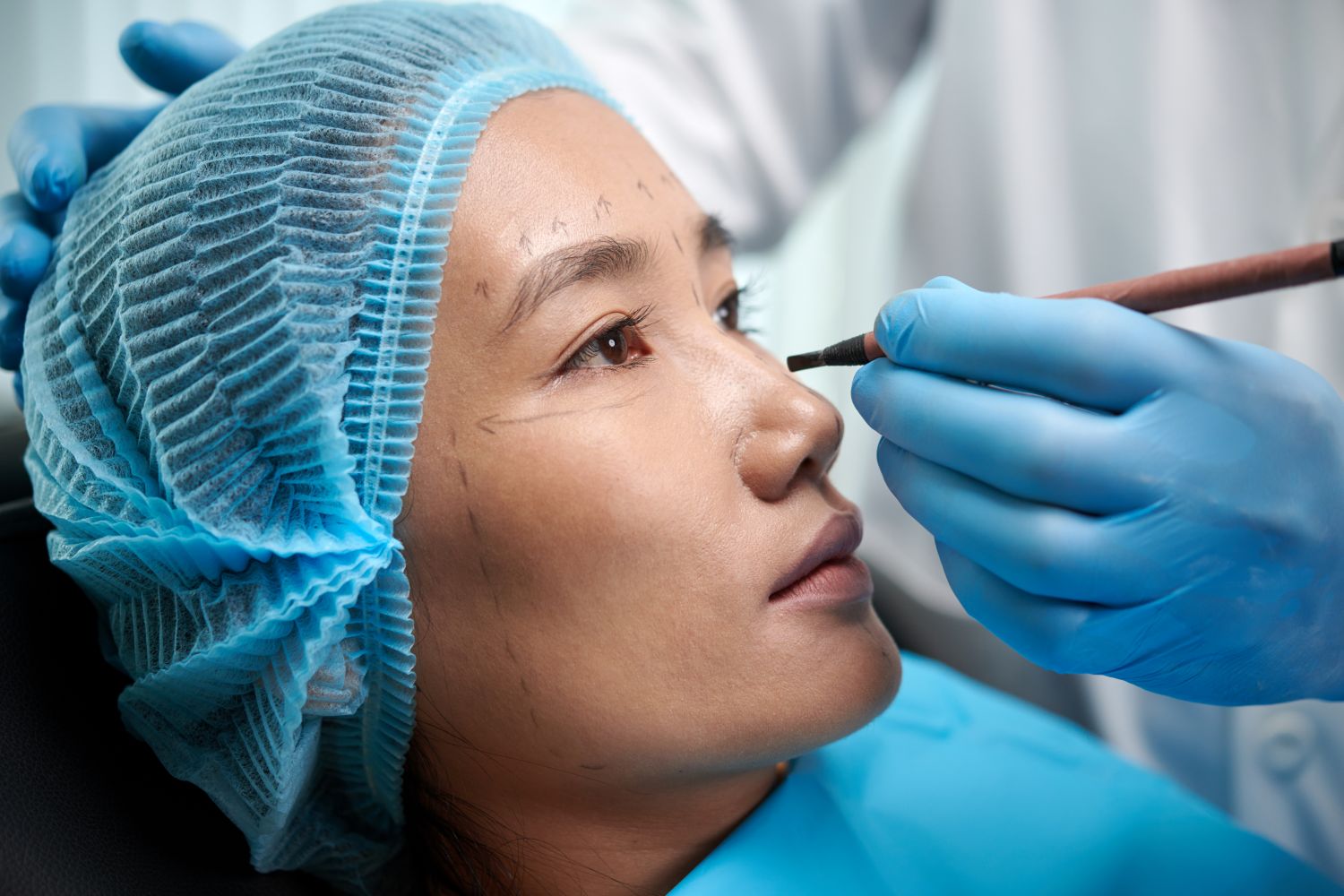
Korean rhinoplasty has gained significant recognition for its ability to enhance facial harmony and improve overall aesthetics. This specialized procedure is designed to refine the nose while taking into account individual facial features, ensuring that each transformation is tailored to align with personal goals and expectations. This guide will provide an overview of the benefits of Korean rhinoplasty, the preparation process, and what to expect during recovery. Whether one is simply curious about the procedure or actively considering it for themselves, this information aims to assist individuals in making an informed decision.
Understanding Korean Rhinoplasty
Korean rhinoplasty, widely regarded as a premier practice in cosmetic surgery, emphasizes the refinement of facial profiles while considering individual beauty standards and cultural nuances.
This specialized approach to nose reshaping is designed to enhance overall facial harmony, which plays a critical role in achieving a balanced aesthetic.
Surgeons frequently utilize advanced surgical techniques customized to the patient’s nasal anatomy, ensuring that each procedure aligns with the patient’s distinct features and desired outcomes.
As the popularity of this aesthetic surgery continues to rise, a thorough understanding of its intricacies becomes essential for prospective candidates seeking transformative results.
What is Korean Rhinoplasty?
Korean rhinoplasty is a specialized surgical procedure that focuses on refining the nasal anatomy to achieve desired aesthetic outcomes while taking into account the principles of ethnic rhinoplasty.
This technique emphasizes the unique characteristics of Asian facial features and frequently employs advanced methods, such as cartilage grafting and specialized suturing techniques, which differ from conventional approaches.
Surgeons trained in this specific discipline possess an in-depth understanding of the subtle variations in nasal structures, enabling them to achieve a more harmonious outcome that is congruent with the patient’s ethnic background.
The emphasis on enhancing the nasal bridge, tip projection, and overall facial balance contributes to its popularity among diverse populations seeking a natural yet significant improvement.
This customized approach resonates with many individuals, as it prioritizes both individual beauty and the cultural nuances inherent in cosmetic surgery.
Benefits of Korean Rhinoplasty
Korean rhinoplasty provides numerous benefits, notably enhancing facial harmony and increasing patient satisfaction by aligning physical appearance with contemporary beauty standards.
This procedure not only emphasizes aesthetic enhancements but also addresses functional considerations, such as breathing difficulties.
Enhancing Facial Harmony
One of the primary advantages of Korean rhinoplasty is its capacity to enhance facial harmony through precise nasal symmetry and advanced nose reshaping techniques.
By thoroughly analyzing individual characteristics, surgeons can customize the procedure to improve overall balance. For instance, techniques such as augmenting the bridge or refining the tip can create a more proportional outline that complements the patient’s unique facial structure.
Adjustments to nostril shape and size facilitate a cohesive integration of the nose with other facial elements, including the chin and forehead. Each intervention is meticulously considered to ensure that the modified nose does not detract from other features but rather harmonizes with them, resulting in an aesthetically pleasing and natural outcome.
Improving Breathing Function
Plus aesthetic enhancements, Korean rhinoplasty can substantially improve breathing function by addressing underlying nasal anatomy and correcting structural issues through techniques such as septoplasty.
This specialized procedure not only reshapes the nose to create a more harmonious facial profile but also addresses common concerns, including nasal obstruction and deviated septum. By utilizing advanced surgical methods, the surgeon can realign the nasal passages and remove any obstructive tissue, ultimately facilitating improved airflow.
Patients frequently report a significant improvement in their quality of life following the surgery, as enhanced breathing contributes positively to daily activities and sleep patterns.
The integration of these techniques highlights the dual benefits of achieving a pleasing external appearance while concurrently prioritizing optimal nasal health.
Is Korean Rhinoplasty Right for You?
Determining whether Korean rhinoplasty is appropriate for an individual requires a thorough patient consultation. This evaluation encompasses personal preferences, health considerations, and overall aesthetic objectives.
Engaging in this thoughtful decision-making process is essential, as it establishes the foundation for achieving successful surgical outcomes.
Assessing Your Goals and Expectations
Assessing goals and expectations is a critical step in the Korean rhinoplasty process, as it ensures that there is alignment between the patient’s desires and the surgeon’s ability to meet those outcome expectations.
The assessment process commences with a comprehensive evaluation, which includes discussions regarding aesthetic preferences and functional concerns. Each individual possesses unique aspirations, which can significantly influence surgical decisions, from the desired shape and size of the nose to specific refinements aimed at addressing particular issues.
Open dialogue between the patient and the surgical team is foundational, facilitating a clear understanding of the possibilities and limitations inherent in the procedure. Educating patients about techniques and potential outcomes is essential, as it enables them to make informed decisions regarding their surgery. This ultimately contributes to a more satisfactory experience and results that align with their vision.
Considering Your Facial Features
Considering the individual’s facial features is essential when contemplating Korean rhinoplasty, as this procedure often involves ethnic considerations to customize the outcome according to personal preferences.
It is important for both the surgeon and the patient to understand how these unique traits influence the surgical approach. Factors such as nose shape, skin texture, and overall facial harmony significantly impact the selection of the most appropriate technique, which can have a profound effect on the perceived results.
Cultural and ethnic backgrounds introduce an additional layer of complexity, as patients may seek results that honor their heritage while also aligning with their overall facial aesthetics. This integration of personal and cultural factors ensures that the final outcome not only enhances natural beauty but also resonates with the individual’s identity, ultimately leading to a more satisfactory and meaningful experience.
Preparing for Korean Rhinoplasty
Preparing for Korean rhinoplasty entails several critical steps, including meticulous surgical preparation, comprehensive pre-operative assessments, and effective patient education.
These measures are essential to ensure a smooth procedure and achieve optimal outcomes.
Consultation and Pre-Procedure Steps
The consultation and pre-procedure steps are essential components of a successful Korean rhinoplasty, as they establish a comprehensive understanding of the surgical process and include the acquisition of informed consent from the patient.
During this critical phase, the surgeon engages in a thorough dialogue to elucidate the patient’s aesthetic objectives and relevant anatomical considerations. This discussion not only addresses the anticipated enhancements but also encompasses potential risks and complications associated with the procedure, ensuring that the patient is thoroughly informed.
It is crucial for the individual to comprehend both the advantages of the procedure, such as improved facial harmony and increased self-confidence, as well as the realities associated with surgical intervention. This meticulous exchange fosters trust and enables the patient to make informed decisions regarding their journey towards a desired new appearance.
The Procedure and Recovery Process
It is essential for prospective patients to understand the procedure and recovery process associated with Korean rhinoplasty.
Familiarity with the various surgical techniques and anticipated downtime will assist in establishing realistic expectations for the recovery period.
What to Expect During and After Surgery
During and following Korean rhinoplasty surgery, patients can expect their surgical outcomes to be meticulously monitored, accompanied by a structured post-operative care regimen designed to facilitate a smooth recovery process. This procedure typically employs advanced techniques that prioritize both aesthetic appeal and functional capability, ensuring that the results align with the patient’s expectations.
In the immediate post-operative period, the medical team will closely observe the patient’s vital signs and overall condition to mitigate any potential adverse effects. Patients are generally advised to rest, utilize cold compresses to reduce swelling, and adhere to prescribed pain management protocols.
Follow-up appointments are of utmost importance in the subsequent days and weeks, as they enable the medical team to monitor the healing process, remove any splints or stitches, and provide timely interventions should complications arise, all with the objective of achieving the best possible outcome.
Maintaining Results and Long-Term Care
Maintaining results and ensuring long-term care following Korean rhinoplasty are essential for preserving the aesthetic improvements achieved and addressing any potential emotional effects associated with the alterations to one’s appearance.
Tips for Preserving and Enhancing Results
To preserve and enhance the outcomes of Korean rhinoplasty, patients are encouraged to strictly follow post-operative care instructions and consider insights derived from the experiences of others to maximize their satisfaction.
Maintaining optimal results necessitates a commitment to diligent skincare routines, specifically designed for the post-surgical phase, along with lifestyle adjustments that facilitate recovery. This may involve the use of gentle moisturizers that promote skin health and minimize irritation, as well as avoiding sun exposure to protect sensitive skin during the healing process.
Engaging in light physical activity and ensuring proper hydration can significantly impact overall well-being. Additionally, regular follow-up appointments with the surgeon are crucial for monitoring progress and addressing any concerns promptly.
Exchanging experiences with fellow patients can yield invaluable insights into effective long-term care strategies and help cultivate a supportive community environment.